


Table of Contents
- How to Choose the Right Fundraising Idea for Your Charity Group
- Fundraising Ideas for Small Groups That Need Quick Wins
- Online Fundraising Ideas for Nonprofits With Limited Resources
- Fundraising Event Ideas for Nonprofits: Auctions, Challenges, and Food
- Nonprofit Fundraising Best Practices for Lasting Donor Support
- Measuring Net Proceeds and Return on Effort for Fundraising Ideas
- Conclusion
- Frequently Asked Questions
Last Updated: October 18, 2026
How to Choose the Right Fundraising Idea for Your Charity Group
Effective fundraising ideas for charity groups start with one question: what can your people realistically pull off? A fundraising campaign is any organized effort to raise money for a cause, and fit between the idea, your volunteers, and your audience matters more than format.
Before you pick anything, run this quick filter:
- Audience: Do your supporters prefer buying something, attending something, or giving directly?
- Capacity: How many volunteers can commit, and for how long?
- Budget: What can you spend before a single donation arrives?
The answers eliminate most options fast: eight volunteers cannot run a benefit gala, and a group with no upfront cash should avoid inventory-based sales. What remains is your shortlist.
Fundraising Ideas for Small Groups That Need Quick Wins
When a small group needs money within a few weeks, the best fundraising ideas for small groups are low-cost, low-logistics, and easy to promote through people you already know. Speed beats scale. The trap is an idea that looks simple but hides a long lead time, permits, prize solicitation, or venue booking can eat the whole window.
A quick-win comparison framework
Before you pick, score each idea on four dimensions: setup effort (volunteer hours before the event), upfront cost (cash spent before any money comes in), lead time (days from decision to launch), and revenue ceiling (realistic gross for a group of 5-15 people).
| Idea | Setup Effort | Upfront Cost | Typical Lead Time | Revenue Ceiling (small group) |
|---|---|---|---|---|
| Community garage sale | Medium | Very low | 2-3 weeks (collection time) | Low-medium |
| Bake sale or coffee morning | Low | Low | 1 week | Low |
| Trivia night | Medium | Low | 3-4 weeks | Medium |
| Raffle | Low | Very low | 2-4 weeks (check rules) | Low-medium |
| Peer-to-peer fundraising | Low | Very low | 1-2 weeks to launch | Medium-high |
| Car wash | Low-medium | Low | 1-2 weeks | Low |
| Letter-writing / appeal campaign | Low | Very low | 1 week | Varies widely |
Treat the revenue ceiling as a planning guardrail, not a promise. A group of eight running its first trivia night should budget conservatively and treat any surplus as a bonus.
The ideas in detail
Bake sale or coffee morning. A classic for a reason.
Trivia night. Charge an entry fee per team, sell snacks, and ask local businesses for prize donations.
Raffle. Sell tickets for donated prizes.
Peer-to-peer fundraising. Supporters create personal pages and ask their own networks.
Car wash. Low cost, high visibility, and popular with younger volunteers.
Letter-writing or appeal campaign. The least glamorous option and often the most efficient per volunteer hour.
A two-week launch timeline for a quick win
- Days 1-2: Pick one idea, confirm the date, and assign a single owner.
- Days 3-5: Secure venue or host site and confirm any permits or permissions in writing.
- Days 6-8: Recruit volunteers with named tasks and a published schedule.
Making quick wins inclusive
Small events are where inclusion is easiest to get right and easiest to overlook. Choose a venue with step-free access and accessible parking, offer a quiet space at busy events, price at least one tier low enough that cost is not a barrier, and give people who cannot attend a way to give remotely. For events involving children, publish a supervision and safeguarding plan every volunteer has read.
Online Fundraising Ideas for Nonprofits With Limited Resources
Crowdfunding campaign. Set a specific goal, tell one clear story, and share updates.
Monthly giving program. Recurring donations give you predictable income.
Social media challenge. A simple, shareable task with a donation ask attached.
Virtual events. A livestream concert, cooking class, or comedy night removes venue costs entirely.
Matching gifts. Many employers match employee donations. Remind donors to check, and confirm the process on the IRS guidance for charitable organizations so receipts meet documentation rules.
Online auction. Collect donated items, run bidding through a platform, and skip the hall rental.
Fundraising Event Ideas for Nonprofits: Auctions, Challenges, and Food
The best fundraising event ideas for nonprofits combine a clear ticket price with something people genuinely want to do. Events raise more when attendees bring friends, so design for groups rather than individuals.
Auctions and sales
Charity auction. A silent charity auction works well for donated goods and experiences, and an online auction widens the bidding pool beyond the room. The work is front-loaded: soliciting items, setting starting bids, and writing descriptions that make people want to bid.
Rummage or consignment sale. A step up from a garage sale, with more organization and revenue potential. Price by category, staff each area, and schedule donation drop-off windows so sorting does not pile up.
Challenges, contests, and games
Trivia night or quiz contest. Predictable ticket revenue and low costs. The differentiator is pacing, a good host and clear rules matter more than the questions.
Talent show or lip-sync battle. Charge entry and sell refreshments. Local businesses often sponsor prizes for visibility. Auditions and a rehearsal keep the show tight.
Gaming or esports tournament. Popular with younger supporters and cheap to host if you have a venue with reliable internet.
Food and drink fundraisers
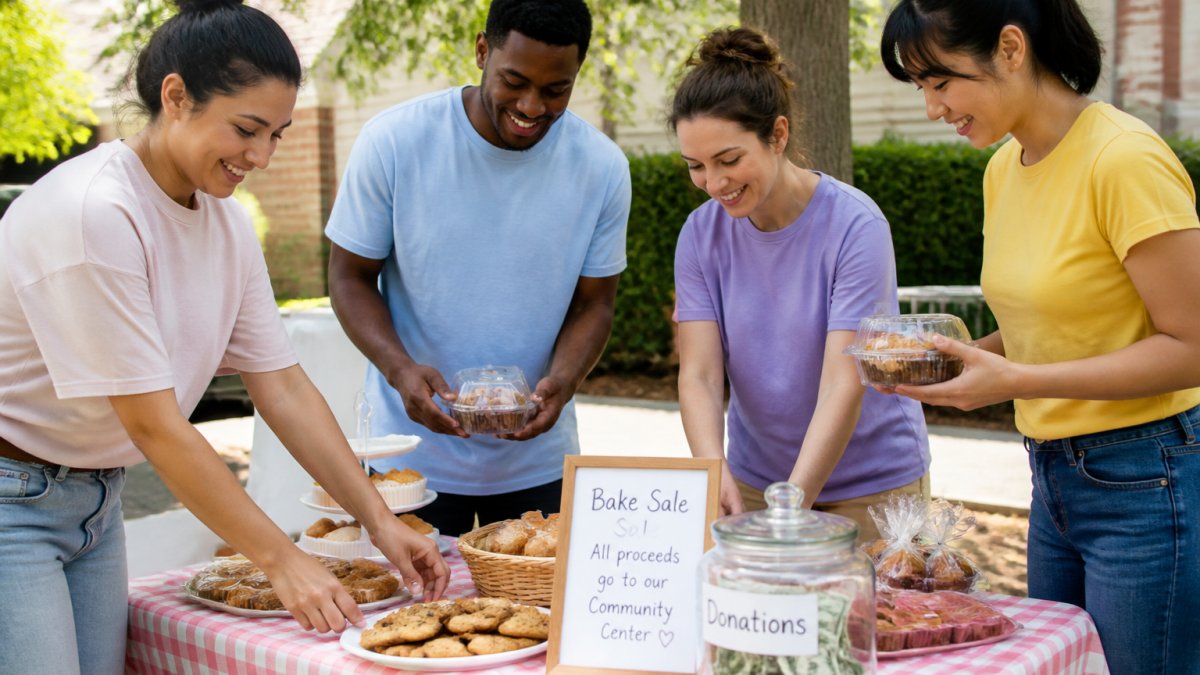
Chili cook-off, pancake breakfast, or bake sale. These draw families and are easy to promote. Price tickets to cover food costs before counting profit, food is the line item most likely to erase a margin.
Coffee morning or tasting event. Lower cost than a full meal and easier to host in a small venue. Pair with a short program about your cause so guests leave knowing what their money funded.
Fitness events and sponsored activities
5K run or walk. Pairs entry fees with sponsor pledges. Get permits early and confirm insurance, road closures and route permissions are the usual bottlenecks. Offer a shorter, accessible route so families and people with mobility needs can join.
Fitness challenge. A month-long step, cycling, or movement challenge with a pledge component. Lower logistics than a race and easy to run virtually alongside an in-person kickoff.
Seasonal and holiday giving
A holiday giving drive, seedling giveaway, or zero-waste challenge ties neatly to a calendar moment and gives supporters a reason to act now. Seasonal events succeed on timing, start promotion six to eight weeks out and avoid clashing with major holidays or school breaks.
High-effort, high-revenue events
Benefit gala or charity concert. High revenue potential, high effort. Reserve these for groups with an experienced event planning lead, a confirmed venue, and a realistic budget for deposits. A gala that undersells can lose money, so model break-even attendance before you commit.
Comparing event families at a glance
| Event family | Effort | Upfront cost | Key compliance check | Inclusion consideration |
|---|---|---|---|---|
| Auctions | Medium-high | Low-medium | Item solicitation records, payment security | Online bidding for those who cannot attend |
| Challenges and games | Low-medium | Low | Venue rules, platform terms | Team formats, quiet space |
| Food and drink | Medium | Medium | Food handling, allergens | Dietary options, accessible venue |
| Fitness events | Medium-high | Medium | Permits, insurance, route access | Shorter/accessible route |
| Seasonal drives | Low | Very low | Solicitation rules | Remote participation |
| Gala or concert | High | High | Contracts, insurance, licensing | Accessible seating, pricing tiers |
Execution checklist for any event
- Confirm the date and venue in writing before promoting.
- Assign one owner per workstream, venue, promotion, volunteers, money handling, and follow-up.
- Set a break-even number and track ticket sales against it weekly.
- Secure payment handling through a dedicated account or platform; never through personal apps.
- Capture donor contact details at the point of giving so follow-up is possible.
- Plan the thank-you before the event, not after.
Nonprofit Fundraising Best Practices for Lasting Donor Support
Start with a clear fundraising goal tied to a specific outcome.
Thank donors within 48 hours. A prompt, personal message does more for retention than another appeal.
Track every gift in one place. You cannot follow up with people you cannot find.
Build volunteer coordination into the plan. Assign one owner per task and publish the schedule.
Follow up after the campaign.
Measuring Net Proceeds and Return on Effort for Fundraising Ideas
Net proceeds, not gross revenue, tell you whether a fundraising idea was worth repeating.
Track three numbers for each effort:
- Net proceeds: total raised minus total spent.
- Return on effort: net proceeds divided by volunteer hours.
- Cost ratio: total costs divided by gross revenue.
A charity auction might gross more than a bake sale but return less per volunteer hour. That comparison is the whole point.
The Candid's nonprofit resources recommends documenting results so future planning rests on evidence rather than memory. We agree, and we would add one line: record what went wrong, too.
Conclusion
Every charity group faces the same squeeze: rising costs, limited volunteers, and donors who want to know exactly where their money goes. April Rains Enterprises built our fundraising program around that reality, with no upfront inventory costs, full-service store setup and fulfillment, and transparent fixed profit margins so your group knows its share before you launch. We also partner with causes including Wounded Warrior Project and Season of Justice, because the mission should travel with the money.
Frequently Asked Questions
What are the most effective fundraising ideas for charity groups?
The most effective fundraising ideas match your group's size, audience, and time. Small groups often do well with bake sales, trivia nights, or peer-to-peer crowdfunding because costs are low and setup is quick. Larger nonprofits can run charity auctions, benefit galas, or sponsored 5K runs that bring in more revenue but need more planning. The key is to compare effort, cost, and expected net proceeds before committing, rather than picking the flashiest option.
How can a small charity group raise money quickly?
Short timelines favor low-logistics ideas: a community garage sale, a coffee morning, a social media challenge, or an online giving campaign shared with your existing supporters. These need little upfront cash and can launch in days. Pair the fundraiser with a clear goal and a simple donation page so people can give in one click. Even a modest fundraising goal reached fast builds momentum for a bigger event later.
How can charity groups raise money online?
Online fundraising ideas for nonprofits include crowdfunding pages, peer-to-peer campaigns where supporters fundraise on your behalf, monthly giving programs, and matching gift challenges from local businesses. E-commerce fundraisers, where a partner handles products and fulfillment, remove inventory risk entirely. Whichever route you take, promote it through email, social media, and your website, and make the donation or signup process as short as possible.
What fundraising events make the most money for nonprofits?
Charity auctions, benefit galas, and sponsored fitness events tend to produce the highest gross revenue, but they also carry the highest event costs. A 5K run or trivia night can deliver strong net proceeds with lower overhead. Track revenue against costs for every event so you know what actually raised money. Many groups find a mix of one flagship event plus recurring small fundraisers works better than a single large push.
How do you choose the right fundraiser for your organization?
Start with three questions: how much volunteer time can you commit, what upfront budget do you have, and who is your audience? Match ideas to those answers. A group with ten volunteers and no cash should avoid auctions and choose low-cost options like bake sales or online campaigns. Also consider accessibility and safeguarding if your event involves the public, and check any local permits or tax rules before you announce a date.
How can nonprofits make fundraising transparent to donors?
Show donors where money goes: publish a clear fundraising goal, share a simple breakdown of costs versus net proceeds, and report results after the campaign ends. If you partner with a business, explain exactly how the partnership works and what portion supports your cause. Transparency builds trust and encourages recurring donations. A short follow-up email with outcomes and photos is one of the simplest ways to keep supporters engaged for the next fundraiser.


