


Table of Contents
- Natural Skincare Ingredients for Glowing Skin: What Actually Works
- How to Get Glowing Skin Naturally: Evidence Over Hype
- Natural Remedies for Glowing Skin: Safe Botanicals and Patch Testing
- Superfoods for Glowing Skin: What to Eat and What to Skip
- Skincare Routine for Glowing Skin: Order, Timing, and Concentration
- Ingredient Safety, Allergies, and Realistic Timelines
- Frequently Asked Questions
Last Updated: October 12, 2026
Natural Skincare Ingredients for Glowing Skin: What Actually Works
Natural skincare ingredients for glowing skin work best when they address hydration, barrier support, and gentle brightening at the same time. This guide from April Rains Enterprises breaks down which botanicals, plant oils, and antioxidants have real backing, and which ones mostly just smell nice.
Glowing skin is the visible result of a well-hydrated, intact skin barrier reflecting light evenly, rather than a single miracle ingredient. That distinction matters because it changes how you shop. Most dullness comes from dehydration and dead cell buildup, not from a missing "superfood" extract. The four categories below cover what actually moves the needle, and where each one fits in a routine.
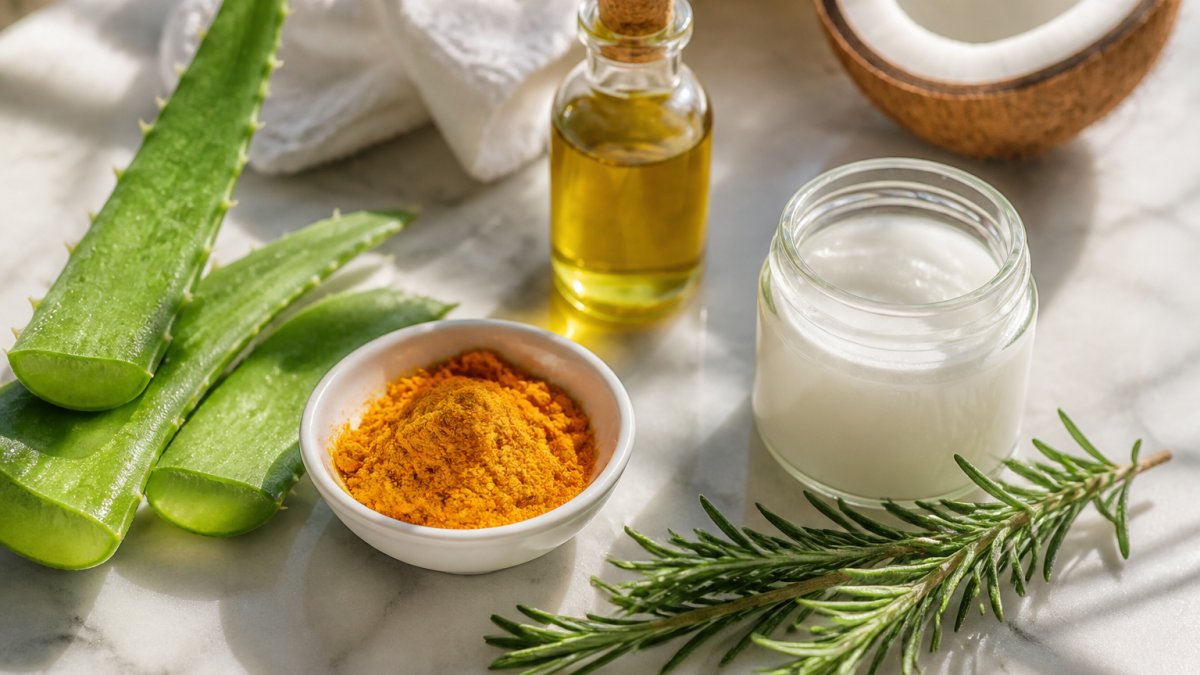
| Ingredient | Primary Role | Best For | How to Use |
|---|---|---|---|
| Aloe vera | Soothing, hydration | Sensitive, reactive skin | Gel or light moisturizer, AM/PM |
| Jojoba oil | Barrier support, nourishment | Dry, combination skin | 2-3 drops after serum |
| Coconut oil | Occlusive moisture | Very dry body skin | Body use; patch test on face |
| Turmeric | Brightening, calming | Dull, uneven tone | Mask or diluted spot use |
| Vitamin C | Antioxidant, brightening | Most skin types | Morning, under sunscreen |
| Niacinamide | Barrier, tone support | Oily, sensitive skin | AM/PM, layer with hydration |
Which natural ingredients actually deliver results?
Aloe vera is a succulent plant gel used for soothing and light hydration. It calms reactive skin and pairs well with stronger actives. Jojoba oil is a liquid wax ester that mimics skin's own sebum, so it conditions without a heavy residue. Turmeric contains curcumin, studied for its calming and brightening properties. Vitamin C and niacinamide are the two workhorses for tone: one is an antioxidant, the other supports the barrier and helps even out discoloration over time.
How to Get Glowing Skin Naturally: Evidence Over Hype
The honest answer to how to get glowing skin naturally is that consistency beats intensity. A short, well-ordered routine used daily outperforms an aggressive one used twice a week. That is the opposite of what most "glow" content implies.
Here is the sequence that works for most people:
- Cleanse gently with a non-stripping cleanser, morning and night.
- Apply water-based hydration first, such as a hyaluronic acid or aloe-based serum, onto damp skin.
- Layer an antioxidant like vitamin C in the morning to defend against free radicals.
- Seal with an oil or moisturizer to reduce water loss through the skin barrier.
- Finish with sunscreen every morning, which is the single most effective step for preventing dullness and dark spots.
- Exfoliate once or twice weekly with a gentle acid to lift dead skin cells.
The order matters because thin, water-based products absorb first, while oils and creams sit on top and lock moisture in. Reverse that order and the hydration never reaches the skin.
A common mistake is stacking five brightening serums at once. That irritates the barrier, and an irritated barrier looks duller, not brighter. Fewer products, used consistently, win.
Natural Remedies for Glowing Skin: Safe Botanicals and Patch Testing
Natural remedies for glowing skin are safe when you respect two things: dilution and allergy risk. Botanical extracts are still active chemistry, and "natural" does not mean "hypoallergenic."
Essential oils such as lavender and rosemary are common in DIY recipes, but they are potent and should always be diluted in a carrier oil before touching skin. Turmeric stains and can irritate if left on too long, so keep masks brief and rinse thoroughly. Citrus juices, a popular home remedy, are a poor idea: their acidity and photosensitivity can worsen dark spots rather than fade them.
Patch testing is non-negotiable for anyone with sensitive skin. Apply a small amount behind your ear or on your inner forearm, wait 24 hours, and check for redness, itching, or swelling. If you react, stop. This one habit prevents most at-home reactions.
Superfoods for Glowing Skin: What to Eat and What to Skip
Superfoods for glowing skin support the skin from the inside, but no single food transforms your complexion overnight. The realistic goal is steady nutrition that feeds collagen production, supports the skin barrier, and reduces inflammation.
Here is what the evidence most consistently supports, and how to actually work it into your day.
Vitamin C-rich foods like citrus, bell peppers, strawberries, and Kakadu plum support collagen synthesis and skin elasticity. Vitamin C is a cofactor for enzymes that stabilize collagen, and it also helps regenerate vitamin E in the skin.
Healthy fats from avocado, nuts, seeds, and olive oil help maintain the skin barrier. The barrier is built from lipids, including ceramides and fatty acids, so a diet very low in fat can leave skin feeling tight and looking dull.
Colorful vegetables rich in antioxidants help neutralize free radicals from UV exposure and pollution. Think carrots, sweet potatoes, spinach, and tomatoes.
Water is the least glamorous glow ingredient and the most essential for skin hydration.
Zinc and omega-3s deserve a mention for people with acne-prone or reactive skin. Zinc is involved in skin healing and inflammation control, and omega-3 fatty acids from fatty fish, walnuts, and flaxseed may help calm inflammatory pathways.
What to skip: excess sugar and highly processed foods, which many people find aggravate breakouts and dullness. Alcohol and poor sleep show up on the face faster than any single food helps it.
If your routine and sun protection are not in place, diet alone will not deliver radiance. Use food to reinforce the same goals your skincare is already working toward: hydration, barrier support, and antioxidant protection.
Skincare Routine for Glowing Skin: Order, Timing, and Concentration
A skincare routine for glowing skin should fit your skin type, not a generic checklist. The right structure is the same, but the actives change. This section goes beyond the usual skin-type list to cover compatibility, routine order, and how to introduce ingredients without irritating your barrier.
Start with the order that works for most people:
- Cleanse with a non-stripping cleanser, morning and night.
- Apply water-based hydration first, such as a hyaluronic acid or aloe-based serum, onto damp skin.
- Layer an antioxidant like vitamin C in the morning to defend against free radicals.
- Seal with an oil or moisturizer to reduce water loss through the skin barrier.
- Finish with sunscreen every morning, which is the single most effective step for preventing dullness and dark spots.
- Exfoliate once or twice weekly with a gentle acid to lift dead skin cells.
The order matters because thin, water-based products absorb first, while oils and creams sit on top and lock moisture in. Reverse that order and the hydration never reaches the skin.
Ingredient compatibility is where many routines go wrong. Vitamin C and niacinamide can be used together; the old warning about them canceling each other out came from unstable lab conditions and does not reflect modern formulations. Retinol and strong acids are a different story: layering them in the same routine can cause redness and peeling, so use them on alternate nights.
How to introduce actives gradually: start with one new product at a time, use it twice a week for two weeks, then increase to every other night if your skin tolerates it. This slow ramp-up is especially important for retinol, AHAs, BHAs, and vitamin C.
Skin-type adjustments:
- Dry skin: emphasize plant oils like jojoba and squalane, plus a richer moisturizer. Apply oil after your serum and before your cream if your skin is very dry.
- Oily skin: choose lightweight gels, niacinamide, and a gentle AHA/BHA a few times a week. Do not skip moisturizer; dehydrated oily skin often produces more oil.
- Sensitive skin: start with aloe, niacinamide, and bakuchiol, a gentler alternative to retinol. Avoid essential oils and fragrance until you know your triggers.
- Combination skin: spot-treat the oily zones and layer hydration everywhere. You can use a lighter moisturizer on the T-zone and a richer one on the cheeks.
- Acne-prone skin: look for non-comedogenic oils like jojoba or squalane, and avoid coconut oil on the face if you are breakout-prone. Salicylic acid can help keep pores clear, but introduce it slowly.
Concentration and formulation decide whether an ingredient helps or hurts. A vitamin C serum at a sensible percentage used daily beats a harsh one used rarely. For vitamin C, 10 to 20 percent is a common effective range; higher is not always better and can be more irritating. For niacinamide, 2 to 5 percent is well tolerated by most people.
Introduce one new active at a time, give it a few weeks, and watch how your skin responds before adding another. If you are pregnant or have a diagnosed skin condition, check with a dermatologist before starting stronger actives like retinoids or high-percentage acids.
Ingredient Safety, Allergies, and Realistic Timelines
Realistic timelines keep people from quitting too soon. Hydration and soothing effects can show within days, but brightening and more even-looking tone typically take several weeks of consistent use. Fine lines and texture respond slowest of all.
Safety comes down to three habits. Patch test anything new. Introduce one active at a time so you can identify what caused a reaction. And always wear sunscreen, because unprotected sun exposure undoes most brightening work and drives new dark spots and hyperpigmentation.
If you have a diagnosed skin condition or are pregnant, check with a dermatologist before starting stronger actives like retinoids or high-percentage acids. Natural ingredients are not automatically safe for everyone, and a professional can flag conflicts your routine might miss.
Frequently Asked Questions
What natural ingredients are best for dull skin?
For dullness, look for ingredients that support cell turnover and hydration: vitamin C from Kakadu plum, niacinamide, gentle glycolic acid from fruit extracts, and hyaluronic acid. Jojoba oil and squalane help seal in moisture without heaviness. Aloe vera and lavender calm irritation that can make skin look tired. Patch test any new botanical, especially if you have sensitive skin, and introduce one product at a time to see what works for your skin type.
Are natural skincare ingredients safe for sensitive skin?
Not all natural ingredients are gentle. Essential oils like lavender and citrus extracts can trigger reactions. Start with a patch test on your inner forearm for 24 hours. Choose fragrance-free formulas, avoid high concentrations of acids, and look for soothing botanicals like aloe vera, colloidal oatmeal, and chamomile. If you have rosacea or eczema, consult a dermatologist before trying new ingredients. Even plant-based products can cause allergies.
How long does it take to see results from a skincare routine?
Hydration and radiance can improve within a few days, but brightening and evening skin tone take longer. Most people see visible changes in fine lines and dark spots after 6 to 12 weeks of consistent use. Antioxidants and sunscreen work preventively, so their benefits accumulate over time. Be patient and take photos every two weeks to track progress. If you see no change after three months, adjust your routine or consult a professional.
Can I use natural ingredients like lemon or baking soda for glowing skin?
Lemon juice and baking soda are common home remedies, but they can disrupt your skin barrier. Lemon is highly acidic and can cause burns or dark spots, especially with sun exposure. Baking soda is too alkaline and strips natural oils. Safer options include diluted apple cider vinegar (for some skin types), honey, and yogurt masks. For reliable results, choose formulated products with tested concentrations of ingredients like vitamin C or niacinamide.
Glow is not a product you buy once; it is a routine you keep. If you want a starting point without the guesswork, April Rains Enterprises offers our Brume d'Avril skincare line alongside a range of self-care and lifestyle products, all at accessible prices. Every purchase also supports our charitable partnerships, including Wounded Warrior Project and Season of Justice. Get started with April Rains Enterprises and build a glow routine you can actually trust.


